The Drawer of Small Fixes: Why Mending One Thing a Month Is 2026’s Quietest Thrill
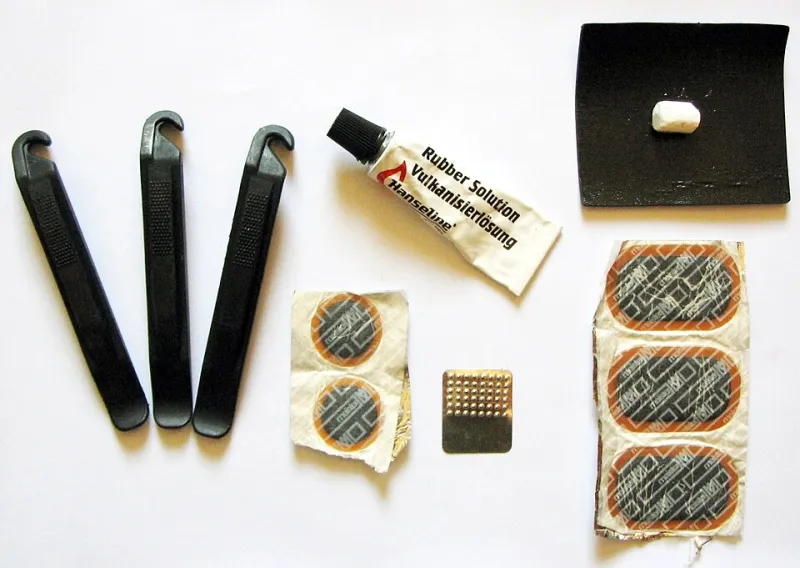
Photo: Björn Appel, CC BY-SA 3.0, via Wikimedia Commons
There is a particular kind of satisfaction that comes from tightening a screw you have walked past for three months. It is not glamorous. Nobody claps. But the chair stops wobbling, the table stops rocking, and you feel briefly, quietly capable. In 2026, that feeling is worth chasing.
Mending is having a moment. Repair cafés are busier, right-to-repair rules are shaping how we think about our possessions, and a generation raised on replace-and-upgrade is discovering that fixing something small is genuinely enjoyable. The best entry point is not a full workshop or a complicated course. It is a modest kit in a kitchen drawer and one small repair a month.
Why mending feels so good right now
We spend a lot of time in front of screens, managing invisible things. Mending is the opposite. It is tactile, bounded and obvious. You can see the loose hinge. You can feel the missing button. You can hear the squeak. And when you fix it, the result is immediate. That combination of focus and visible progress is deeply satisfying.
There is also the money side. A £15 kit can save you far more than £15 over a year. A tube of wood glue rescues a chair that might otherwise be replaced. A spare fuse and a screwdriver save a call-out. A needle and thread keep a favourite shirt in rotation. These are small sums, but they add up, and they keep useful things out of landfill.
And then there is the culture of it. Repair cafés across the UK are practical, friendly places where volunteers help you fix everything from lamps to lawnmowers. The Restart Project has spent years encouraging people to repair electronics rather than bin them. Libraries, community centres and makerspaces are getting in on the act. Mending is no longer a solitary chore. It is a low-key social hobby with a very good atmosphere.
Build a £15 kit that actually gets used
You do not need a tool wall. You need a small tin, box or drawer that is easy to reach. Aim for a handful of genuinely useful things rather than a huge set of mystery attachments.
A basic kit might include: a small screwdriver set with Phillips, Pozidriv and flat-head bits; a pair of small pliers; a needle-nose pair if you have room; a craft knife; wood glue; superglue; a small clamp; sandpaper; a sewing kit with a few buttons; spare fuses; cable ties; and a pair of safety glasses. You can build this from homeware shops, hardware shops, supermarkets and charity shops without spending much. A £15 budget is realistic if you buy own-brand basics and skip the extras.
Keep the kit in one place and add to it only when a repair demands it. A dedicated drawer is better than a bag at the back of a cupboard, because the whole point is to make mending easy to start.
The one-thing-a-month method
Pick a regular moment — the first Sunday of the month, for example — and look for one small thing that is not quite right. It might be a chair leg that needs a new felt pad, a handle that has come loose, a seam that is splitting, a picture frame that needs a nail, or a zip that is sticking. Choose something you can finish in twenty minutes. Success breeds success.
Before you start, take a photo. It sounds silly, but it helps you notice the change. Then do the repair slowly. Read the instructions on the glue. Use the right screwdriver. Do not force anything. If you get stuck, stop and ask for help. The goal is not to become a professional. The goal is to build a habit of small, useful action.
Some months will be tiny. A button is a win. A tightened hinge is a win. A replaced fuse is a win. Others might be bigger: re-covering a seat pad, fixing a wobbly table leg, or sewing a torn cushion cover. The point is the rhythm, not the scale.
Safety first, always
Mending is satisfying, but some repairs need respect. Never tape over a damaged mains cable or attempt a DIY fix on a plug that is cracked or overheated. If an appliance has a frayed flex, a burning smell or exposed wires, stop using it and take it to a qualified repairer or a repair café. Low-voltage items, furniture, textiles and simple mechanical fixes are much better starting points for beginners.
Use safety glasses when drilling or cutting. Keep glue away from skin and eyes. Unplug anything electrical before you touch it. If you are unsure, ask. The repair café volunteers are there precisely because nobody is born knowing how to fix a lamp.
Where to find help in the UK
Search for your nearest repair café through the Repair Café network or local sustainability groups. Many run monthly sessions in churches, libraries and community halls, with volunteers who can help with textiles, small electricals, bikes, furniture and more. The Restart Project is a good starting point for electronics. Men's Sheds, makerspaces and some local libraries also run repair and craft sessions.
Go along even if you only want to watch. The atmosphere is usually part practical help, part tea and biscuits, part quiet rebellion against the idea that everything is disposable.
The quiet thrill of a fixed thing
A repaired object carries a little story. That is the chair you tightened in January. That is the shirt you saved in February. That is the lamp you and a stranger at a repair café brought back to life in March. Over a year, those small stories add up to a home that feels cared for and a habit that feels genuinely good.
Start this weekend. Open the drawer, find one wobbly thing, and give it ten minutes. You do not need to be handy. You just need to begin.