Small Wings, Big Mood: The Suction-Cup Feeder That Gives a Grey November Morning a Plot
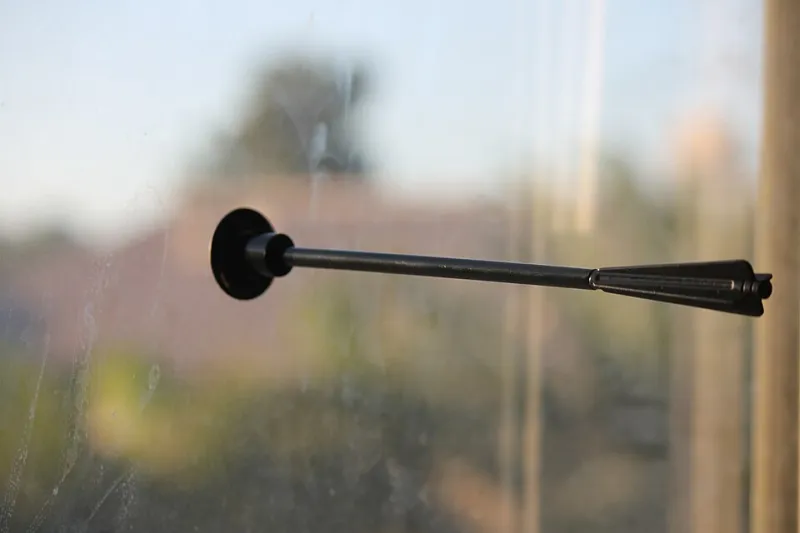
Photo: Noah Wulf, CC BY-SA 4.0, via Wikimedia Commons
November has a way of making the kitchen feel like the waiting room for spring. The light is thin, the garden looks like it has been left on pause, and the most exciting thing on the windowsill is usually a half-dead basil plant. Then you stick a small suction-cup feeder to the glass, fill it with a six-pound bag of birdseed, and suddenly the morning has a cast.
This is not a wildlife project that requires waterproof trousers or a spotting scope. It is a five-minute habit with a cuppa in hand: a tiny front-row seat for the small, busy, ridiculous business of birds. And in a month when the days can feel a bit beige, that is a genuinely clever little upgrade.
Start with the glass, not the gadget
Window feeders are cheap and simple: a clear plastic tray or mesh basket with suction cups, usually found for less than the price of a takeaway. The crucial bit is placement. Clean the glass properly, press the cups on firmly, and put the feeder at eye level from wherever you sit with your tea. You want to be able to look up from the mug and see the show, not crane your neck like you are inspecting a gutter.
Sunflower hearts are the no-mess crowd-pleaser. They attract a good range of birds, leave less debris on the sill and do not sprout quite so enthusiastically in the flowerbed. A six-pound bag sounds like a lot, but top it up little and often rather than filling the tray to the brim. Dry seed is the goal; damp seed is a small tragedy with feathers. Keep the bag somewhere cool and dry, and decant only what you need for a few days.
If your window is very exposed, a second suction cup or a small bracket can help. If you live in a flat, this is one of the few garden-style pleasures that fits on a pane of glass. No lawn, no shed, no excuse.
The five-minute bird log
Keep a notebook and pencil by the kettle. Not a fancy journal, not an app with fourteen notifications, just a scrappy pad. Write the date, the time, the weather, the species you spot, a rough count and one line about what happened. Something like: 8.12am, drizzle, one blue tit, two great tits, robin on the sill below, blue tit hung upside down like it was showing off.
The log is not homework. It is a tiny record of noticing. Over a week you start to see patterns: the early shift, the mid-morning rush, the quiet spell after lunch. Kids can draw the birds instead of writing counts. A neighbour can start their own log and compare notes over the fence. It turns a solitary cuppa into a small shared enquiry.
Who turns up
In a UK winter, a window feeder is likely to attract blue tits, great tits and coal tits, with robins and house sparrows often mopping up below. Goldfinches may arrive in a flurry if the seed is right. Starlings can turn up like a coach party, all shoulders and noise, and then leave as suddenly as they came.
The first arrival is often a blue tit: quick, bossy, hanging upside down as if the feeder is a personal assault course. That is the moment the habit clicks. You are not just looking at a bird; you are watching a tiny character make a decision. Should it risk the landing? Is the coast clear? Has the cat moved? It is better than most things on a screen.
Squirrels may try their luck. Enjoy them or discourage them, but do not lose the run of yourself. The feeder is a small pleasure, not a siege.
Keep it kind
A window feeder is only a good idea if it stays clean. Wash it weekly in warm soapy water, rinse well and let it dry before refilling. Clear away damp or mouldy seed. If birds start thumping the glass, add a few window decals or move the feeder slightly; a feeder that causes collisions is not a kindness. Keep cats away from the immediate window area, and do not put out food that has gone soggy or stale.
These are small housekeeping details, but they are the difference between a nice idea and a proper habit. The point is not to become a bird expert overnight. The point is to make the kitchen window a place worth glancing at.
Why a blue tit beats a scroll
Attention is a mood lever. Five minutes of watching something small and urgent can make the kitchen feel less like a waiting room and more like a place with weather, visitors and plots. You are not fixing November; you are furnishing it. The kettle goes on, the feeder gets a top-up, the log gets a line, and the morning gets a little structure.
The six-pound bag will last longer than you think if you top up modestly. There is no subscription, no charger, no app. Just a suction cup, a handful of seed and the strange little lift of seeing a blue tit arrive while the toast goes cold.
The tiny ritual
Kettle on. Feeder check. Log open. Sit for five minutes. If nothing appears, that is data too. Tomorrow is another broadcast. Invite a neighbour to start a window log of their own, or set a child the job of drawing the first bird of the day. The habit is cheap, low-effort and quietly generous: it gives a grey morning a plot, and gives you a reason to look up.