The Extra Bowl Rule: How a Second Helping of Soup Became My Favourite Neighbourhood Custom
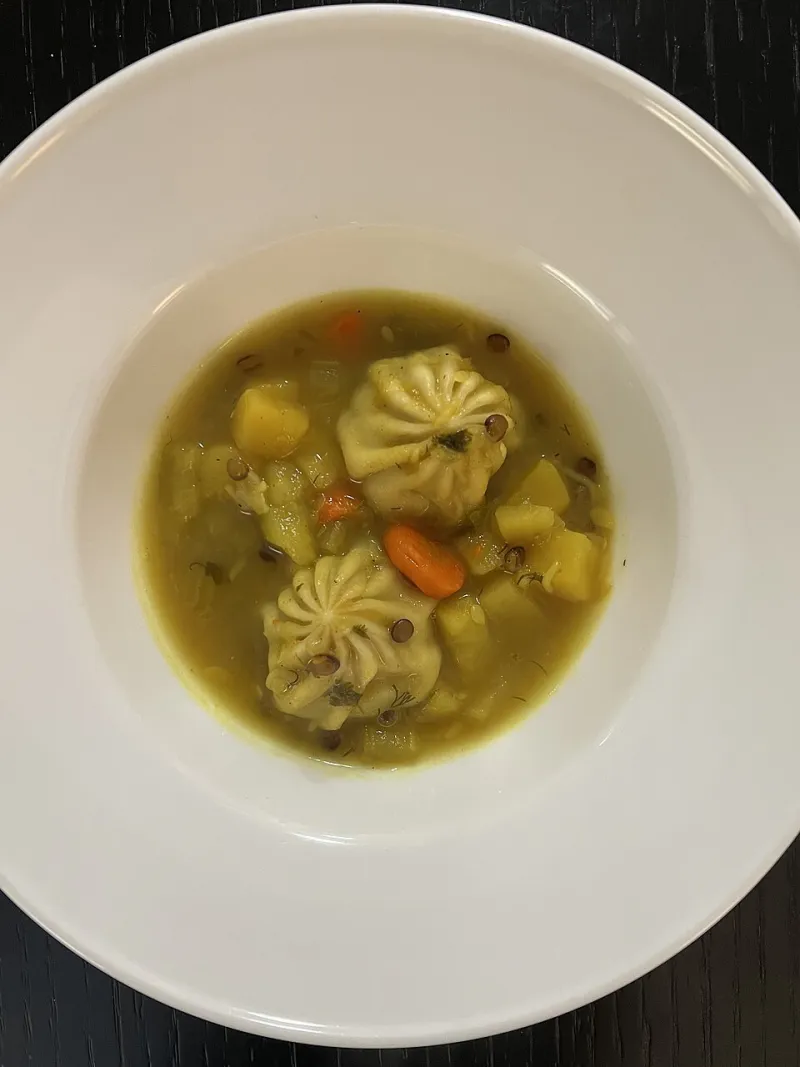
Photo: HaJunkiyada, CC BY-SA 4.0, via Wikimedia Commons
There is a particular kind of November Tuesday when the flat feels colder than the weather app promised, the big light is doing its usual unflattering work, and the most appealing thing in the world is a pot of something slowly bubbling on the hob. On those evenings, I’ve started making one deliberate extra portion. Not a batch-cooking marathon. Not a grand community project. Just one more bowl than we need, decanted into a lidded container and passed to someone a few doors down.
I call it the extra bowl rule. It is less of a recipe and more of a habit: cook the soup you were already going to cook, add a little more stock and a handful more lentils, and let the surplus become a small, edible hello. The genius bit is that it barely registers as effort. The pot is already on. The chopping board is already out. The only real change is a second container on the counter and a quick text message.
Why soup makes such a good relay baton
Soup is forgiving in a way that most food isn’t. It scales easily, freezes well, and doesn’t demand precision. A few extra carrots and an extra pint of stock will stretch a pot without changing its character. It is also a low-stakes thing to offer. A portion of soup doesn’t feel like an event. It doesn’t require a table, a dress code or a whole evening. It can be left on a doorstep, carried in a backpack or reheated after a late shift.
That makes it ideal for the kind of connection many of us say we want but rarely schedule: small, useful, unforced contact. A cake is lovely, but it can feel like an occasion. A casserole is generous, but it implies a sit-down meal. Soup just says: I made too much of something warm, and I thought of you. In a dark month, that is often enough.
The formula, not the recipe
You do not need a new repertoire. Use whatever soup you already make. My default is a rough formula: soften an onion, a carrot and a stick of celery in a little oil, add a pinch of chilli or smoked paprika, tip in a chopped potato and a mug of red lentils, cover with stock, simmer until everything collapses, then finish with lemon and something green. It is cheap, robust and almost impossible to ruin.
To double it, I add another onion, another carrot, another potato, an extra mug of lentils and enough stock to keep it loose. If there is a tired courgette or a lonely parsnip in the drawer, it goes in too. The point is not to create a signature dish. The point is to make the pot generous enough that one portion can leave the building.
The practical bit: cool, label, hand over
This is where a lovely idea can go slightly wrong, so it is worth being boring for thirty seconds. Cool the soup quickly, ideally by dividing it into shallow containers, and get it into the fridge within two hours. Label it with the date and any allergens – dairy, celery and cereals are the usual suspects in a soup pot. Reheat only once, until it is piping hot all the way through, and don’t refreeze a portion that has already been reheated.
When offering it to a neighbour, text first. A simple ‘I’ve made too much soup, would you like a portion?’ respects their plans and gives them an easy way to say no. Ask about allergies or dietary needs before you ladle. Use a lidded container you don’t mind losing for a while, or a cheap takeaway box if you’d rather not chase it. If you’re leaving it on a doorstep, agree a time and make sure it’s clearly labelled.
If you’re thinking about a local community fridge, check their rules first. Many accept fresh, chilled, labelled food, but not all can take cooked leftovers. A quick look at their website or a message to the volunteer team will save everyone a wasted journey. The same goes for food banks: they usually need longer-life items, not a warm pot of minestrone.
The social side effect
What I didn’t expect was the return traffic. The empty container comes back with a note. Someone stops for a longer chat at the door than they would have done otherwise. A neighbour I’d only ever nodded at once sent a text saying the soup had saved her from a grim sandwich. None of this is dramatic. It is just the sort of loose, everyday friendliness that makes a street feel like a street rather than a row of separate front doors.
It also quietly reduces waste. A pot that would have done two dinners and a lunch now does two dinners, a lunch and a kindness. The extra cost is minimal – a few pence of lentils, a bit more stock – and the energy is already being used. That feels like a decent trade in a month when bills are boring and evenings are long.
A gentle weekly rhythm
Pick a day that already involves cooking and make it your soup day. Tuesday works for me because it is otherwise unremarkable. I make double, portion one container for us and one for someone else. I don’t keep a rota. I don’t turn it into a admin project. If I miss a week, nothing collapses. The extra bowl rule is meant to be a pleasure, not a second job.
Some weeks the extra portion goes to the neighbour with the new baby. Some weeks it goes to a friend who has been working late. Some weeks it goes into the freezer for future me, which is also a valid recipient. The habit is flexible enough to survive real life, and that is why it sticks.
The small upgrade
If you want to make the handover feel a little more special, add a bread roll, a scribbled note or a sprig of thyme tucked under the lid. None of it is necessary. The soup is the point. But a tiny extra touch turns a container into a gesture, and gestures are what we remember in February.
So this November, when the pot is on, add one more handful of lentils and one more pint of stock. Let the extra portion cool, label it, and text someone. One extra bowl is a very small thing. But a street full of small things is a warmer street.