Shelf Life: The Tiny Rainproof Book Swap That Makes Your Street Feel Like a Reading Room
Photo: Fons Heijnsbroek, CC0, via Wikimedia Commons
There is a particular kind of everyday magic in a street that has a tiny book box. Not a grand civic gesture, just a small shelf on a wall with a lid that keeps the rain out. You finish a paperback, pop it in, and someone else takes it home. A few days later, something you would never have chosen appears in its place. In 2026, when so much of life arrives by app and van, a little book swap is a lovely counterweight: analogue, free and quietly neighbourly.
The good news is that you do not need a spare weekend, a joiner or a committee. You need a box that laughs at drizzle, a simple stocking rule, and a sign that makes people feel welcome rather than watched. Here is how to make one that actually gets used.
Start with the weather, not the books
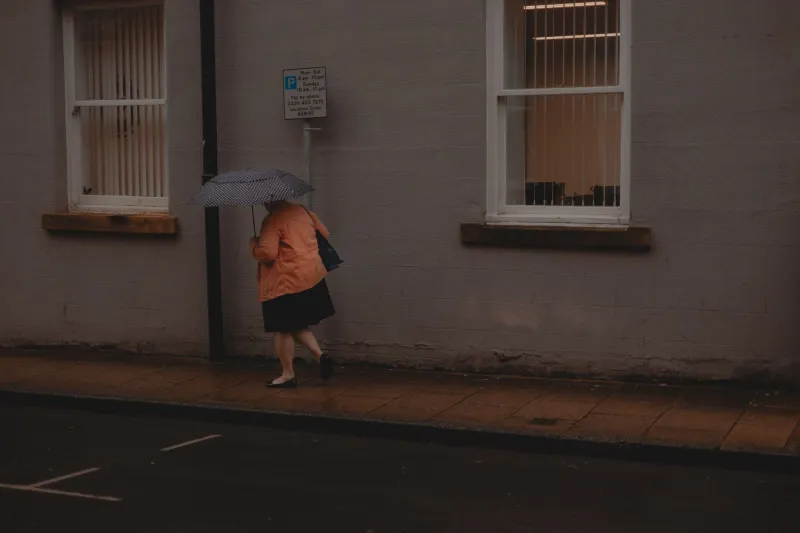
British rain is the real design brief. A pretty cardboard box with a hand-painted sign will last about as long as a paper straw in a storm. Choose a storage box with an overhanging lid and proper clip locks, or a wooden crate that you line and seal. A sturdy plastic box from a DIY shop, painted or covered in sticky-back plastic, is perfectly respectable. A wooden wine crate can work beautifully if you add a waterproof liner, seal the edges and give it a little roof.
Mount it at chest height on a front wall or fence, ideally under the eaves, and add a small drip strip above the opening. If you rent, ask before drilling, or stand the box on bricks in a sheltered corner of the front garden. Keep it on your own property rather than blocking the pavement. Weigh it down with a brick or a sandbag so it does not take off in a gust. The whole build can land around £20 if you shop sensibly: box, sealant, brackets, a waterproof marker and a laminating pouch or plastic sleeve for the sign.
The two-shelf rule
The temptation is to fill it with every book you have ever finished. Resist. A shallow box with one or two shelves is far more inviting than a deep, dark cupboard where paperbacks go to disappear. Aim for 15 to 20 books to start, not 60. Face a few covers outwards so people can see what is on offer without rummaging.
A simple stocking formula helps: roughly half popular novels, a fifth children's books, a fifth non-fiction, and the rest wildcards such as poetry, cookery, graphic novels or a local history title. Rotate every week or so. Remove anything damp, mouldy, yellowed or wildly out of date. No old encyclopaedias, no textbooks from a previous decade, no anything that looks like it has been used as a coaster. The box is a shop window, not a skip.
Signage that says come in, not keep out
A good sign does most of the social work. Keep it short, friendly and laminated or sealed in a plastic sleeve. Something like: 'Take a book. Leave a book. Or just borrow one for a while. Keep it dry, keep it kind.' Add a gentle line about not leaving damp books, religious pamphlets or political leaflets, and a note that nobody has to donate to take part. Reading is the point.
You could also add a tiny notebook and pencil for recommendations, but keep it attached so it does not wander off. A small 'last checked' date on the sign is a nice touch. It tells people the box is cared for without making it feel like a formal library. Check it after heavy rain, wipe the shelf once a month, and remove anything that has turned into a science experiment. Etiquette is mostly common sense: one in, one out if you can; no dumping; no using it as a recycling bin for books nobody wants. The best boxes feel generous rather than strict.
The small ripple effects
This is the part you cannot put on the receipt. A book box slows a street down. Dog walkers pause. Children swap stories on the way to school. Someone leaves a cookery book with a recipe note tucked inside. A neighbour you have only ever nodded at stops to say they loved the thriller you put out last week. It creates low-stakes conversation, the sort that does not require a WhatsApp group or a street party.
It also gives books a second life, which is a small pleasure in itself. A paperback that cost £8 new might pass through five pairs of hands in a year. That is a quiet kind of abundance. The box does not need to be Instagram-perfect. A slightly wonky sign and a few rain-spotted covers are part of the charm. What matters is that it is there, reliably, like a bench at the end of the road.
Build it this weekend
You do not need permission to be friendly. A £20 box, a tube of sealant and a sign written in waterproof marker is a small upgrade with a long tail. Put it up, stock it with a handful of books you genuinely liked, and let the street do the rest. The first time you see a stranger walking away with a novel you left out, you will understand the whole point. It is not really about books. It is about making an ordinary street a place where small, free surprises can happen.