Step Out One Stop Early: The Fifteen-Minute Habit That Turns Any Commute Into a Culture Crawl
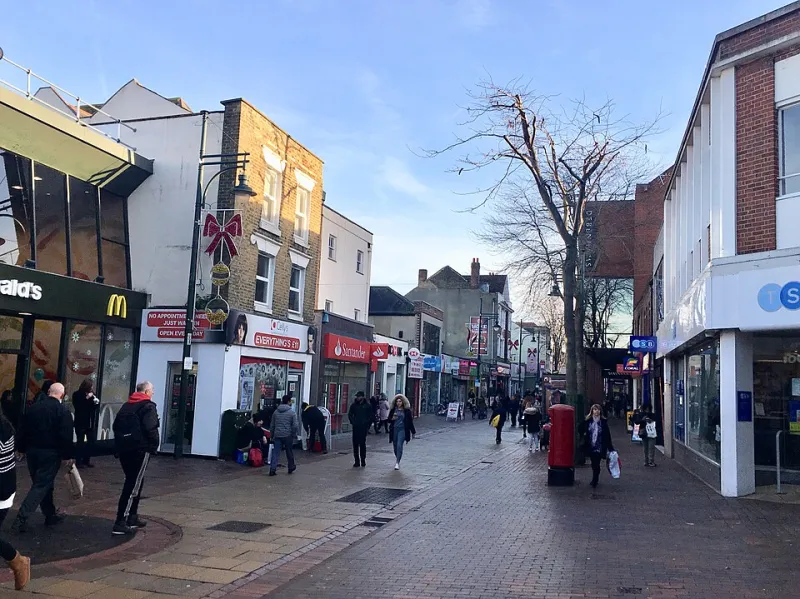
Photo: Chris Whippet , CC BY-SA 2.0, via Wikimedia Commons
The bus is two stops from home. You know the exact groan of the suspension as it turns the corner, the exact flicker of the streetlight outside the launderette, the exact three seconds where you could still stand up. And most evenings you don't. You stay seated, phone in hand, and let the last stretch of the day happen to you.
Getting off early is a small act of defiance against that.
The Stop Before Yours
I started doing this by accident, on a wet Tuesday in a part of town I'd lived in for four years. The bus was stuck, the traffic was doing that thing where nothing moves but everyone inches forward, and I got out a stop early purely to escape the smell of wet anorak. Then I had to walk. And because I was walking anyway, I took a street I'd never bothered with — a narrow one with a bakery at the corner, a blue plaque I'd somehow never read, and a shop selling second-hand records and broken clocks in roughly equal measure.
Nothing dramatic happened. I didn't meet anyone. I bought nothing. But I got home knowing something new about a place I thought I already knew, and that feeling is weirdly rare and weirdly valuable.
That's the whole idea. One stop. One different street. One thing noticed.
What Fifteen Minutes Actually Buys You
We tend to think of culture as something you travel to — a gallery, a gig, a cinema with the good seats. And it is, sometimes. But a lot of what makes a place feel like yours is much smaller and much closer: the shopfront with the hand-painted sign, the churchyard you can cut through, the bit of wall where someone has painted something genuinely good, the pub that still has a separate room for darts.
None of that shows up on a map you scroll. All of it shows up when you walk a road you don't normally walk.
There's also the timing. November evenings are dark by half four, which sounds like a reason to stay on the bus and actually isn't. High streets in the dark are more interesting than high streets in daylight: windows lit up like tiny stages, the smell of something frying, the way a row of independent shops looks almost cinematic once the fluorescent glow kicks in. You notice more because you have to look harder.
The Three-Step Prompt
No app, no journal, no subscription. Just this.
One: pick your stop in advance. The stop before your usual one is the obvious choice, but any stop within a fifteen-minute walk of your front door works. Decide before you get on, so the decision is already made when your legs are tired.
Two: take one unfamiliar street. Not a scandalous detour — just a road you've walked past a hundred times without ever walking down. If it dead-ends, fine. You've still seen it.
Three: bring one thing back. Not a purchase. A detail: the name of a shop, a date on a plaque, a colour of door, a menu in a window. Say it out loud when you get in, or text it to someone. Naming it is what makes it stick.
That's it. Fifteen minutes, roughly, and a slightly longer walk home than usual.
What You Find on a Normal High Street
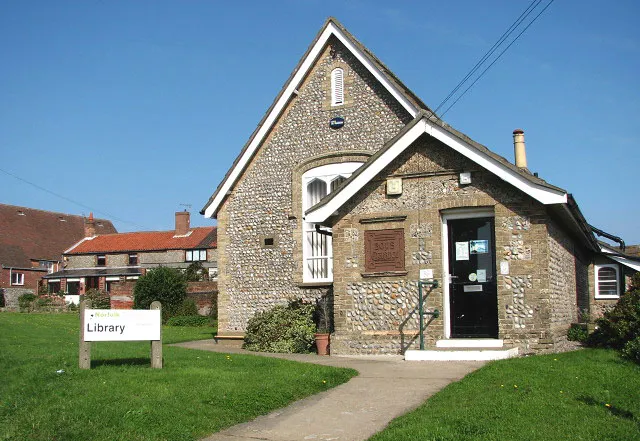
We are, quietly, in a good era for the small stuff. Charity shops have become genuinely worth a browse — not just for bargains but for the strange local history of donated objects. Libraries are still free, still warm, still doing odd little exhibitions in the corner. Lots of high streets now have a community noticeboard that reads like a short story collection: choir practice, lost cats, a repair café on the second Saturday, someone teaching upholstery in a garage.
You don't have to join anything. But knowing the noticeboard exists changes how the street feels. It stops being scenery and starts being a place where things happen.
Why It Makes the Map Bigger
The strange effect of the one-stop-early habit is that your neighbourhood expands without you moving house. Streets that were once just the route become places with names. You start having opinions about which way is nicer in the rain. You develop a mental list of good doorways, good shortcuts, good windows to peer into.
It also quietly softens the commute. The last stretch of the day stops being dead time — the bit between work and home where you're neither one thing nor the other — and becomes the bit where you actually arrive somewhere, on your own two feet, having noticed things.
On Rain, Darkness and Other Excuses
Yes, it might rain. Take a hood. Yes, it will be dark — that's arguably the point. And yes, some evenings you will genuinely just want to be home, and that's allowed. The rule isn't a punishment. Aim for once or twice a week and let the rest go.
One practical note: if you're walking alone after dark, stick to lit streets and busy roads. The adventure is in the unfamiliarity, not in taking silly risks. A well-lit high street at seven in the evening is one of the friendliest places in Britain.
Start This Week
Pick a day. Decide your stop. Leave the podcast paused for the first five minutes and let your ears do the work instead. Then walk, look, and come home with one small fact about where you live.
Do it four times this month and you'll have four new things. That's a culture pass you didn't have to queue for.